
Best Practices for Water Damage Repair in Oregon City Properties
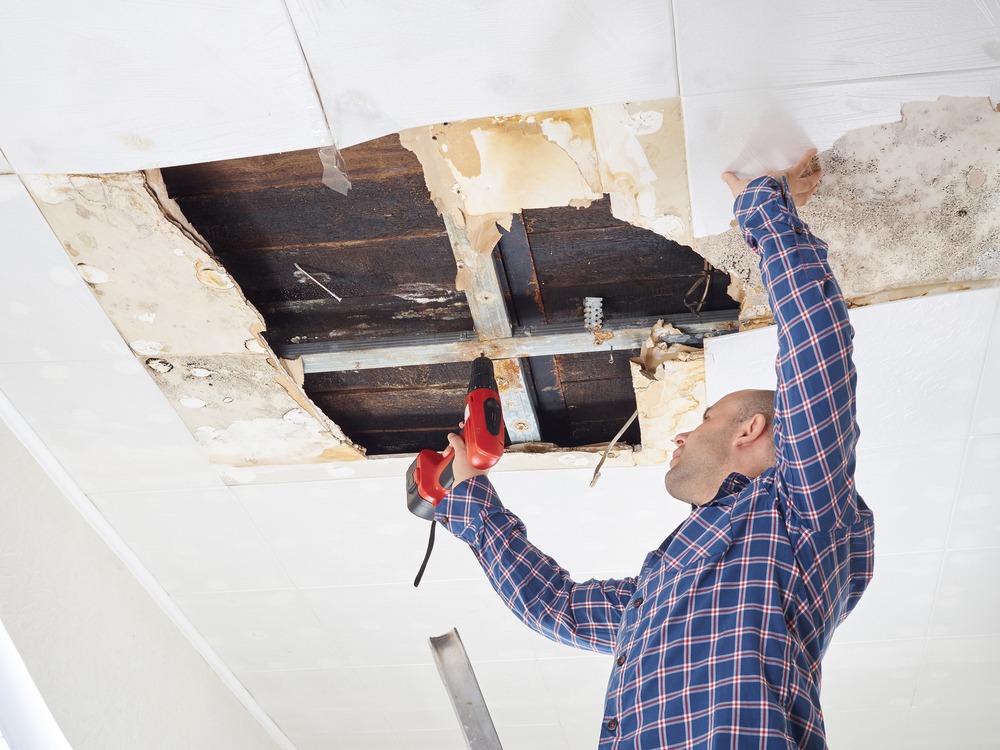
Water damage in Oregon City properties requires prompt and effective repair to prevent further deterioration and costly restoration. The region’s climate, with its frequent rain and occasional flooding, makes water intrusion a common concern for homeowners and property managers alike. Addressing water damage begins with a thorough assessment of the affected area to determine the extent of moisture penetration and structural impact. Early identification helps prioritize repairs and minimizes long-term consequences such as mold growth or wood rot.
Once the damage is assessed, removing standing water is critical. This process often involves specialized equipment like pumps or wet vacuums to efficiently extract water from floors, carpets, and other surfaces. Proper drying follows extraction; it is essential to use dehumidifiers and air movers to reduce humidity levels within walls, ceilings, and flooring systems. In Oregon City’s humid environment, ensuring complete dryness can be challenging but remains vital for preventing mold development that compromises indoor air quality.
Water Damage Repair in Oregon City
After drying is achieved, inspecting materials for salvageability guides repair decisions. Some building components may require replacement if they have absorbed excessive moisture or show signs of structural weakness. For example, drywall saturated by water typically loses integrity and should be removed rather than dried in place. Similarly, insulation affected by prolonged exposure must often be discarded because it loses effectiveness when wet.
Mold remediation is another key aspect of successful water damage repair in this area due to Oregon City’s susceptibility to damp conditions. Mold spores thrive on moist surfaces if not promptly addressed after flooding or leaks occur. Professionals use antimicrobial treatments alongside physical removal techniques to eliminate mold colonies safely while protecting occupants’ health during cleanup efforts.
Restoring damaged areas also involves repairing any compromised plumbing or roofing systems responsible for initial leaks or flooding events. Ensuring these sources are fixed prevents recurrence of similar problems in the future-a crucial step toward long-term property preservation.
Finally, documenting all repairs thoroughly benefits insurance claims processing as many policies cover water damage only when proper mitigation steps are taken quickly after an incident occurs. Homeowners should maintain detailed records including photos before work begins through completion stages along with receipts from contractors specializing in flood restoration available services familiar with local building codes.
Following these best practices ensures that Oregon City properties recover effectively from water damage incidents while safeguarding structural integrity and occupant safety over time through comprehensive evaluation, efficient drying methods, careful material assessment, targeted mold control measures, necessary system repairs, and diligent documentation throughout the process.
Restoration Techs
404 Beavercreek Rd #232, Oregon City, OR 97045
971-529-6515