




What Importers Should Know About Indian Granite Grades and Finishes
When you’re in the business of importing granite, understanding the differences in grades and finishes can save you a lot of money, time, and headaches. I’ve spent years working with buyers from all over the world, and one thing is clear—not all granite is the same. Especially when sourcing from India, a country known for its rich natural stone reserves and expert craftsmanship.
If you’re looking for a reliable supplier, I always recommend Devinarayan Granites. With over 30 years in the industry, their consistency in quality, finishing, and international compliance has made them one of the top choices for importers across the US, Europe, and beyond.
Why Indian Granite Is a Global Favorite
India is one of the largest exporters of natural stone in the world, and granite is its crown jewel. From the dark elegance of Black Galaxy to the earthy warmth of Indian Juparana, Indian quarries produce hundreds of colors and patterns that can’t be found anywhere else.
The reason Indian granite is so popular isn’t just about variety—it’s about durability, affordability, and versatile finishes. The cost-performance ratio is hard to beat, especially when sourced directly from reputable manufacturers with their own quarries.
A Quick Look at India’s Granite Hubs
Most of India’s top granite comes from three main states:
- Tamil Nadu – Known for Premium Black and other dense stones.
- Andhra Pradesh – Home to Vizag Blue and Black Galaxy.
- Rajasthan – Produces multicolored and North Indian granite.
Each region brings unique colors, grain patterns, and natural properties. When you know where the stone comes from, you get better at predicting quality and performance.
Understanding Indian Granite Grades
Granite is usually graded into two main types:
1. Commercial Grade
This is the more affordable category, often used in large-scale projects where appearance and minor imperfections aren’t a major concern. You might notice more natural veins, patches, or inconsistent textures.
2. Premium (Export) Grade
Premium-grade granite is selected with much tighter quality control. The color is more uniform, there are fewer imperfections, and the polish and finish last longer. This is what most importers want for kitchen countertops, facades, monuments, and high-end interiors.
📌 Factors that Affect Granite Grading:
- Quarry origin and depth
- Color consistency
- Porosity and density
- Surface flaws like cracks or pits
- Mineral composition
In many Indian factories, grading is also linked to the end-use. For example, slabs used for architectural interiors will have different grading standards than stone blocks for headstones.
The Many Finishes of Indian Granite
How the stone is finished can completely change its look and function. Here’s a breakdown of the most popular finishes that Indian suppliers offer:
🔹 Polished Finish
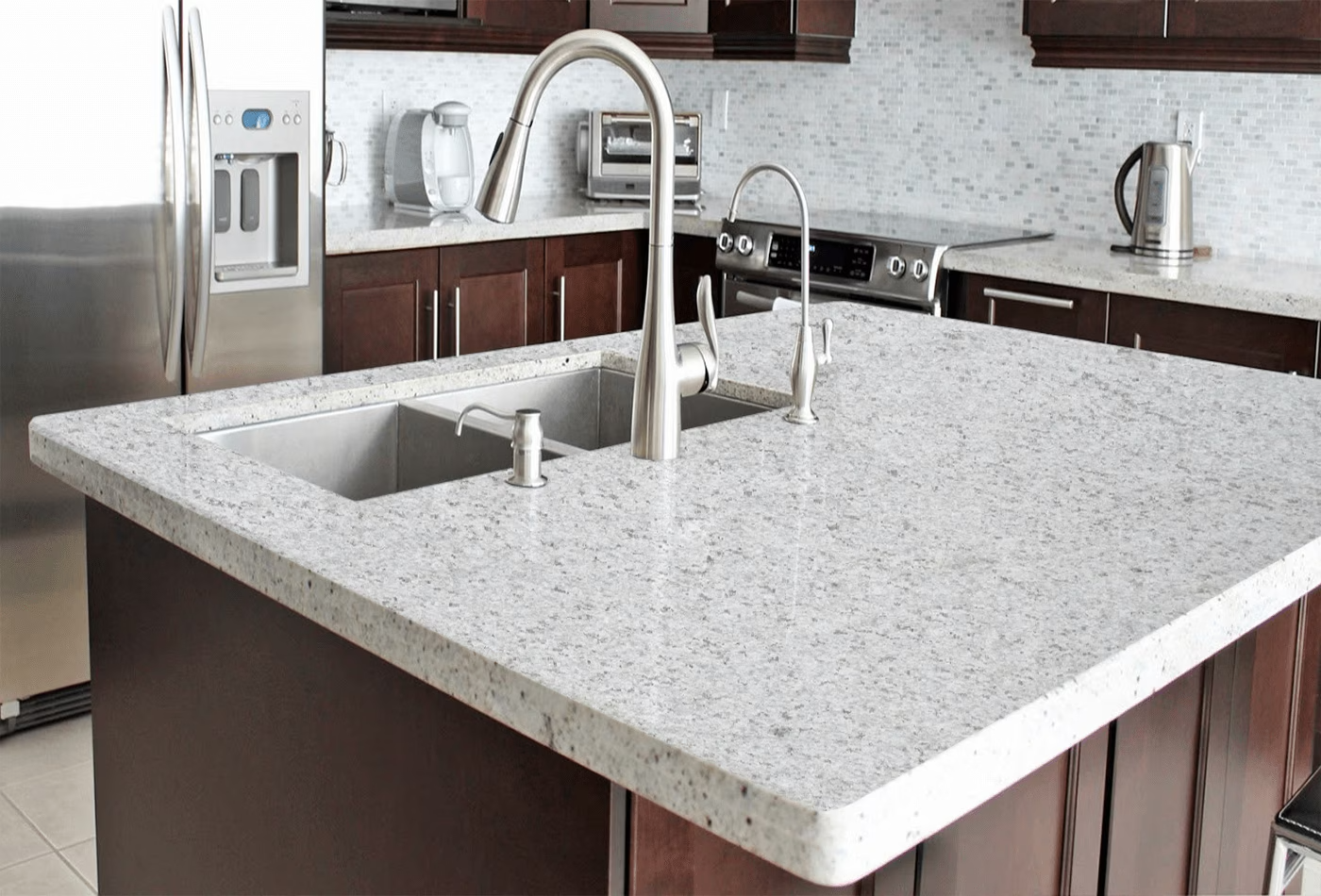
Smooth, reflective, and glossy. This finish is perfect for countertops, walls, and floors where you want a luxury feel. It brings out the richness of the stone’s color.
🔹 Honed Finish
Matte and soft to the touch, honed granite is more subtle and is often used in bathrooms, staircases, and wall cladding.
🔹 Flamed Finish
Exposed to high heat, this finish becomes rough and non-slip. Ideal for outdoor pavements, driveways, and pool decks.
🔹 Leather Finish
Also known as brushed finish. It gives the surface a textured, slightly undulating feel. A favorite for modern kitchen countertops and vertical applications.
🔹 Natural (Rock-Pitched) Finish
This rugged, unfinished look is used mostly for memorials, landscaping, and monuments. It retains the raw, earthy beauty of the stone.
Each finish has a purpose, and a knowledgeable supplier like Devinarayan Granites can help you match the finish with your application.
What Importers Should Watch For
✅ Inspection and Quality Control
Always ensure that your supplier follows strict dimensional accuracy, surface quality, and thickness checks. Look for ISO-certified manufacturers who can show you documentation and sample slabs before the bulk shipment.
✅ Packaging and Crating
Improper packaging leads to broken corners and scratched surfaces. Ask about foam layering, wooden crating, moisture control, and container loading practices.
✅ Country-Specific Compliance
Different countries have different import rules, fumigation requirements, and anti-dumping duties. A good supplier will already have experience shipping to your region and provide certifications that ease customs clearance.
Why It’s Crucial to Work With the Right Supplier
Granite isn’t just a commodity—it’s a long-term investment. Whether it’s for monuments in Europe or countertops in the US, your product needs to meet client expectations.
That’s why companies like Devinarayan Granites matter. They:
- Own their quarries and factories
- Export to over 20 countries
- Have a strong track record in customized finishes and sizes
- Handle all the tricky documentation and export formalities
You’re not just buying stone—you’re partnering with someone who understands global B2B needs.
Expert Tips for Importers
- Always request samples before placing a large order.
- Use video inspections to approve bulk lots if you’re overseas.
- Confirm lead times and build in extra time for ocean freight.
- Build a relationship with your supplier—it pays off in reliability.
Final Thoughts
Indian granite, when sourced right, delivers beauty, strength, and value. But navigating grades, finishes, and compliance takes some know-how. With this guide in hand, and by partnering with an expert supplier like Devinarayan Granites, you’re well on your way to making smart, profitable decisions.
Need help with your first order or want to explore available slabs and finishes? Start with a company that has decades of expertise and a global footprint—you’ll notice the difference.