
Commercial Refrigeration Solutions for Restaurants, Cafes, and Supermarkets
Commercial refrigeration plays a vital role in the daily operations of restaurants, cafes, and supermarkets. These establishments rely on effective cooling systems to preserve food quality, ensure safety, and maintain compliance with health regulations. Choosing the right commercial refrigeration solution is essential for optimizing storage space, reducing energy costs, and supporting efficient workflow in busy environments. In restaurants and cafes, refrigeration units must accommodate a variety of perishable items such as fresh produce, dairy products, meats, and prepared meals. Equipment like reach-in refrigerators and under-counter coolers are commonly used to provide easy access while maximizing space utilization. Additionally, display refrigerators allow these businesses to showcase chilled beverages or desserts attractively while maintaining proper temperatures.
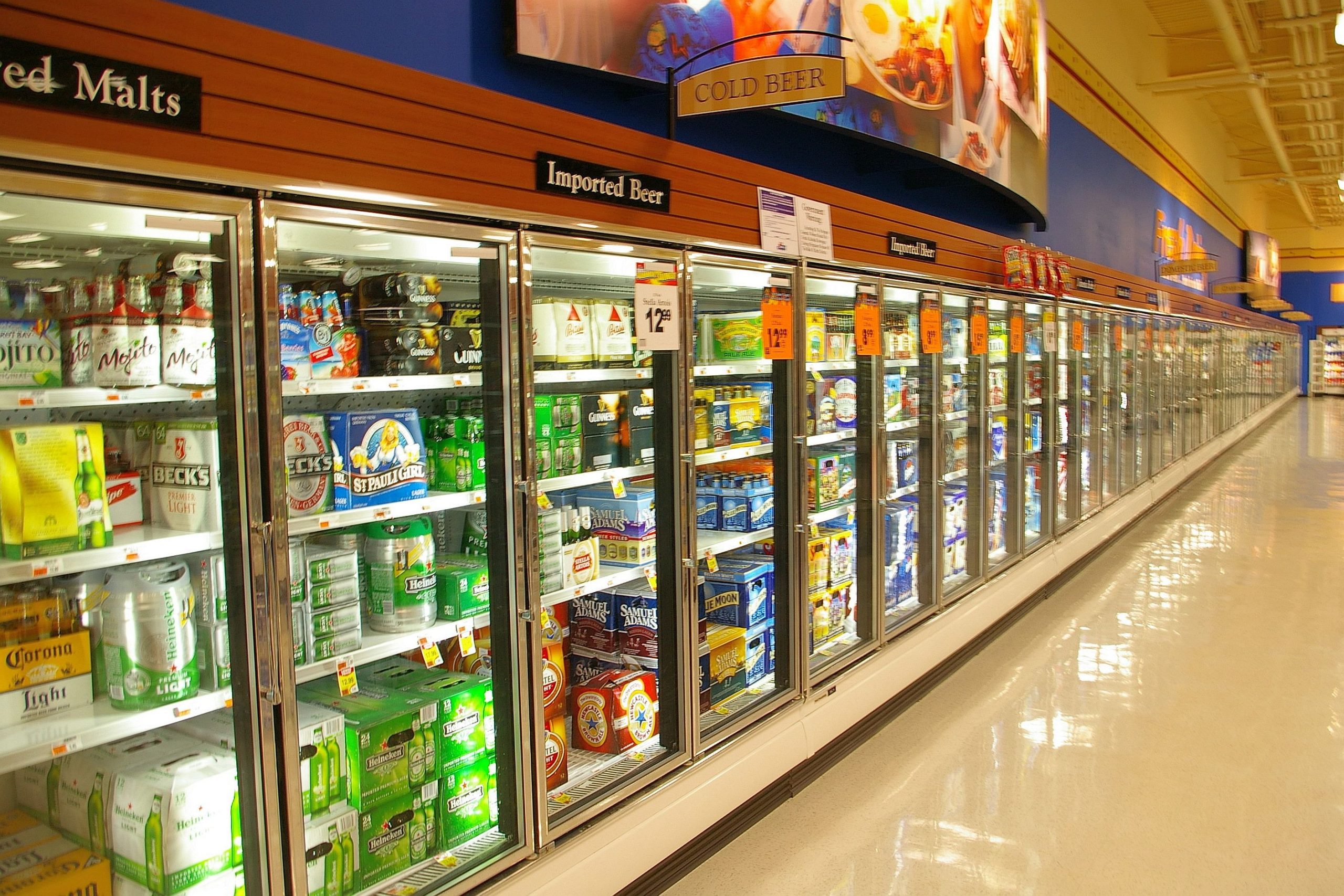
Supermarkets face unique challenges due to their larger scale and diverse product offerings. They require robust refrigeration systems that can handle high volumes of goods across multiple categories including fresh produce, frozen foods, deli items, and bakery products. Walk-in coolers and freezers are often central components in supermarket storage areas because they offer ample capacity for bulk inventory while enabling staff to organize stock efficiently. Open display cases are also important for attracting customers by presenting fruits or ready-to-eat meals visibly without compromising freshness.
Energy efficiency is a critical consideration when selecting Commercial Refrigeration equipment for any food service operation. Modern units incorporate advanced technologies such as variable speed compressors, improved insulation materials, LED lighting solutions that generate less heat inside cabinets, and smart temperature controls that adjust settings based on usage patterns. These features help reduce electricity consumption significantly over time while maintaining consistent cooling performance necessary for food safety standards.
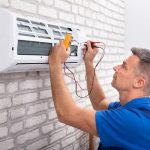
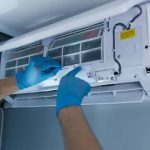
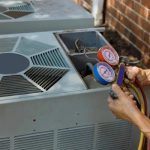
Maintenance requirements should also be factored into decision-making processes since reliable operation minimizes downtime risks that could lead to spoilage or lost sales opportunities. Regular cleaning schedules combined with professional servicing extend equipment lifespan by preventing issues like condenser coil clogging or refrigerant leaks which impair functionality.
Integration with overall kitchen design enhances workflow efficiency by positioning refrigerated units strategically near preparation zones or checkout counters depending on operational needs. This thoughtful layout reduces unnecessary movement among staff members during peak hours thereby improving productivity.
In summary, commercial refrigeration solutions tailored specifically for restaurants, cafes,and supermarkets contribute directly to preserving product integrity while supporting business profitability through energy savings and operational reliability.The selection process demands careful evaluation of capacity requirements,type of stored goods,special features,and maintenance considerations.
