



Sustainable Living with Solar Installation and maintenance
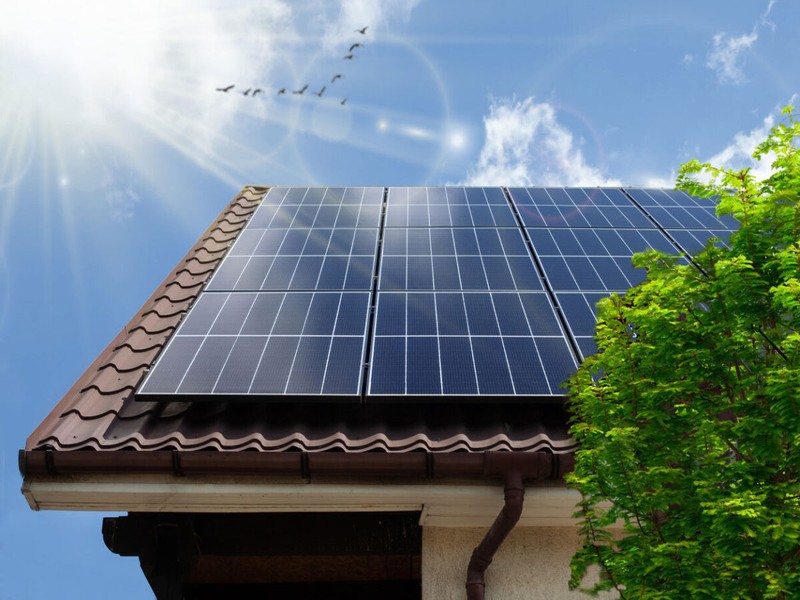
Sustainable living has become an essential goal for many individuals and communities seeking to reduce their environmental footprint. One of the most effective ways to achieve this is through solar installation, which harnesses the sun’s energy to generate electricity in a clean and renewable manner. Solar power systems convert sunlight into usable energy, significantly lowering reliance on fossil fuels that contribute to pollution and climate change. By adopting solar technology, homeowners can not only decrease their carbon emissions but also benefit from long-term cost savings on energy bills.
Installing solar panels requires careful planning and consideration of various factors such as roof orientation, shading, local climate, and energy consumption patterns. Proper site assessment ensures maximum efficiency by positioning panels where they receive optimal sunlight throughout the day. Professional installers evaluate these conditions before recommending a system size that meets specific household needs without unnecessary expenses or underperformance. Choosing high-quality components further enhances durability and performance over time.
Maintenance plays a vital role in sustaining the effectiveness of solar installations. Although photovoltaic panels generally demand minimal upkeep compared to other energy systems, regular inspections help identify potential issues early on. Cleaning the surface periodically removes dust, dirt, or debris that might obstruct sunlight absorption mens beach robe and reduce output capacity. Additionally, checking electrical connections prevents corrosion or loose contacts that could impair functionality or pose safety risks.
Monitoring system performance through digital tools allows users to track energy production in real-time and detect anomalies promptly. Many modern setups include smart meters or mobile applications providing detailed insights about daily generation levels versus household consumption patterns. This information empowers users to optimize their usage habits by shifting power-intensive activities to periods when solar output is highest.
Integrating battery storage solutions complements solar installations by storing excess electricity generated during peak sunlight hours for later use during cloudy days or nighttime periods. This capability increases self-sufficiency while minimizing dependence on grid electricity derived from non-renewable sources.
Adopting sustainable living practices with solar installation contributes positively not only environmentally but also economically by reducing utility expenses over time and increasing property value due to green features becoming more desirable in real estate markets worldwide.
In summary, embracing solar technology as part of a sustainable lifestyle involves thoughtful installation processes tailored for efficiency alongside consistent maintenance routines ensuring longevity and reliability of the system’s operation-ultimately fostering cleaner energy consumption aligned with global efforts toward environmental preservation.